
Morocco’s leadership in phosphate fertilizers strengthens its economy, boosts domestic investment, and gives it a prominent role in a key Latin American market.
While Morocco continues to solidify its position as one of the leading teams in international football, behind this growth lies a strategic player for global agriculture: phosphate. The country possesses the largest known reserves of this essential mineral for manufacturing phosphate fertilizers, an indispensable input for food production. Thanks to this strength, the Moroccan state has been able to boost investments in infrastructure, innovation, education, and sports, demonstrating how natural resources can be transformed into an engine of economic development with global impact.
For Latin America, this case is especially relevant. Countries such as Brazil, Argentina, Paraguay, Uruguay, Bolivia, Peru, Colombia, Mexico, Chile, and Ecuador depend on the international supply of fertilizers to sustain the productivity of crops such as soybeans, corn, wheat, coffee, sugarcane, fruits, vegetables, and other export products. The stability of the phosphate market directly influences production costs and the competitiveness of Latin American agriculture.

Morocco strengthens its leadership in an increasingly strategic market.
Phosphate now occupies a central place in global food security. Unlike other agricultural nutrients, it cannot be produced synthetically, and its availability depends on a very small number of countries. Morocco holds the majority of the world’s known reserves, giving it a privileged position in the international fertilizer trade.
In recent years, this strategic advantage has become even more important. China maintains restrictions on phosphate exports to prioritize domestic supply, while geopolitical tensions affect trade from other producing regions. At the same time, logistical uncertainty in some international corridors and changes in trade policies have reinforced Morocco’s role as one of the most reliable suppliers to global markets.
Even the United States recently eased some restrictions on imports of Moroccan phosphate fertilizers to alleviate supply problems and moderate pressure on international prices.
Morocco’s success is not limited to the fertilizer market. For over a decade, the country has been promoting an investment program in infrastructure, education, research, technological innovation, and sports development. In recent years, some of the resources generated by the phosphate industry have also begun to be allocated to strengthening national football through academies, training centers, and the development of young talent.
This model reflects how an industry originally linked to agriculture can be transformed into a platform for long-term economic growth. The strategy seeks to diversify the economy, develop human capital, and position the country in high value-added sectors, without losing sight of its leadership in fertilizer production.
What does this scenario mean for Latin America? For Latin American agriculture, Morocco’s case confirms that the fertilizer market will continue to be one of the main factors determining agricultural competitiveness over the next decade. The evolution of the global phosphate supply, along with the growing demand for food and geopolitical challenges, will continue to influence production costs throughout the region.
As demands for productivity, sustainability, and food security increase, reliable supply chains for agricultural nutrients become ever more critical. In this context, Morocco is evolving from a major phosphate producer to a strategic player in the global agri-food system, with direct implications for producers, exporters, and industries throughout Latin America.
Source: AgroLatam.com
Agricultural Policy: Trump Suspends Tariffs on Phosphate Fertilizers from Morocco
President Donald Trump temporarily suspended countervailing duties on phosphate fertilizer from Morocco—the world’s second-largest producer of the nutrient—in an attempt to reduce the high prices of this input.
The 16.8% tariff, now removed, was implemented in 2021 following a petition to the Department of Commerce by the U.S. company Mosaic Co., which argued that Moroccan and Russian phosphate fertilizers were being unfairly subsidized by their governments.
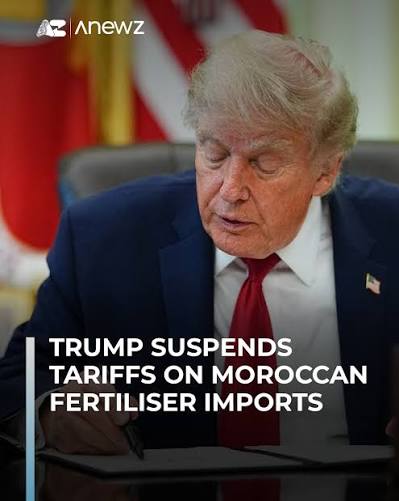
Since then, various U.S. producer organizations have pursued legal action to try to eliminate these tariffs, but these efforts have been largely unsuccessful. However, this has changed in the current context of soaring phosphate fertilizer prices.
“President Trump believes that U.S. producers must maintain predictable access to key fertilizers to mitigate significant risks to food production, safeguard national security, and ensure a stable domestic food supply,” an official White House statement said.
“Global supply chains for phosphate fertilizers and fertilizer inputs (such as sulfur) have been disrupted recently due to events such as conflicts in fertilizer-producing regions and trade measures taken by major fertilizer-producing countries,” it added, referring to the problems created by the U.S. itself after attacking Iran.
The American Soybean Growers Association (ASA) welcomed the measure. “Suspending import duties on this essential agricultural resource will improve fertilizer availability and help reduce input costs at a time when farmers are beginning to plan for the 2026/27 season while making increasingly difficult financial decisions,” said Scott Metzger, an Ohio soybean grower and ASA president.
“This is excellent news for corn producers. Fertilizers represent one of the largest expenses for agricultural companies each year, a situation that has worsened in recent years due to the actions of companies seeking to further consolidate their market control,” said Jed Bower, president of the NCGA, who took the opportunity to take a swipe at Mosaic.
“Thank you, President Trump, for recognizing the economic situation facing American producers and for taking steps to alleviate some of that pressure. This is an important step while the regulatory review and antitrust investigations are underway,” he added.
Source: Valor Soja
Brazil activates emergency fertilizer plan, raising concerns for global agriculture
South America’s largest agricultural producer has begun negotiations with Russia, China, and Morocco to secure critical inputs. The move reflects growing uncertainty in the global market.
Brazil has launched a diplomatic strategy to guarantee fertilizer supplies for the 2026/27 agricultural season. The government has begun negotiations with Russia, China, and Morocco to secure the supply of raw materials for phosphate fertilizer production, after industry entities warned of a potential shortage. The decision is significant because the country relies on imports to meet most of its demand, and any disruption could impact agricultural production and the international food market.
The initiative was driven by a crisis committee that instructed the Brazilian diplomatic service to inquire about the availability of key supplier countries to guarantee sufficient volumes of raw materials, even accepting transactions at market prices. The goal is to avoid supply problems before the start of planting and reduce Brazilian agriculture’s exposure to an international scenario that continues to exhibit high levels of volatility.
The Brazilian government’s concern stems from the possibility that instability in the Middle East could affect the production and logistics of inputs considered strategic for the fertilizer industry. This scenario is compounded by the lingering effects of the war between Russia and Ukraine, a conflict that altered global trade flows and increased uncertainty about the supply of essential agricultural raw materials.
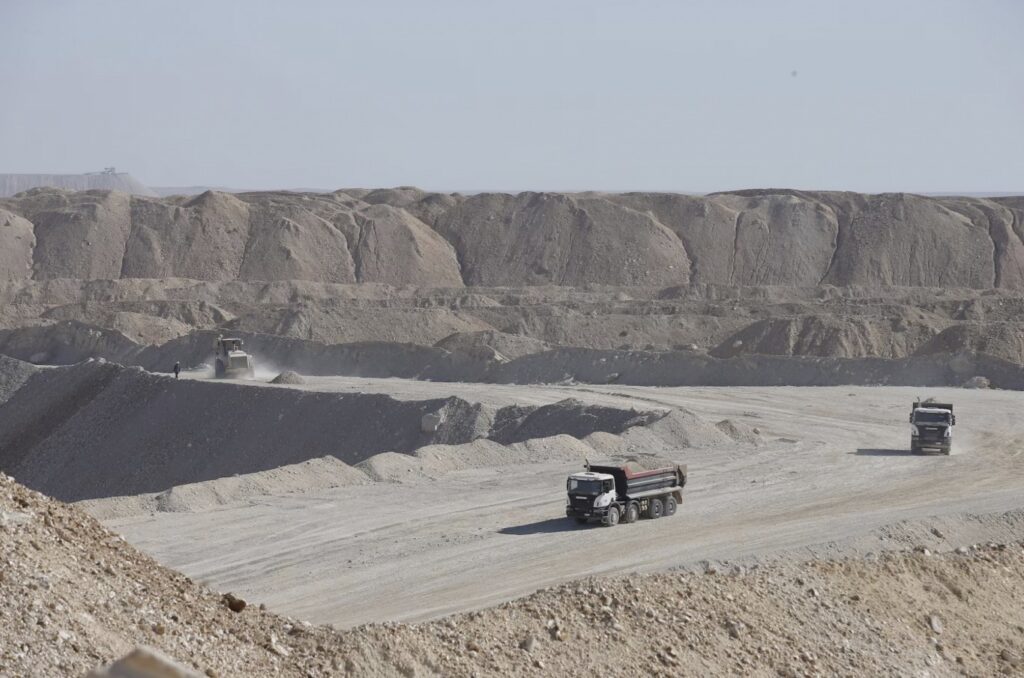
Among the products causing the greatest concern are phosphate fertilizers, as well as sulfur and sulfuric acid, indispensable components for the manufacture of these inputs. Brazilian authorities believe that any disruption in the availability of these products could translate into increased costs for producers and complicate planning for the next agricultural season.
Warnings have also come from the agricultural sector. The Brazilian Confederation of Agriculture and Livestock (CNA) reported that producers have so far secured only between 40% and 45% of the fertilizer required for the 2026/27 season, a lower level than expected for this time of year, increasing concerns about availability in the coming months.
Although Brazil is a leading producer and exporter of food worldwide, its dependence on imported fertilizers remains a major challenge to the sector’s competitiveness. In 2025, the country imported 45.5 million tons of fertilizer, representing approximately 92% of total domestic demand, reflecting the extent of its reliance on international suppliers.
This situation explains the government’s rapid response to any risk of disruption to global trade. Experiences in recent years have shown that geopolitical crises can abruptly alter the availability and price of fertilizers, directly impacting producers’ profitability and the production costs of strategic crops such as soybeans, corn, cotton, coffee, and sugarcane.
Negotiations with Russia, China, and Morocco aim to anticipate this scenario and secure supplies before demand intensifies for the upcoming season. The outcome of these negotiations will be closely watched by international markets, as Brazil is one of the world’s largest fertilizer consumers, and any changes in its purchases can influence global prices and the balance of international trade in agricultural inputs.
Source: AgroLatam.com

Yara buys ammonia plant in Texas for US$1,3 billion
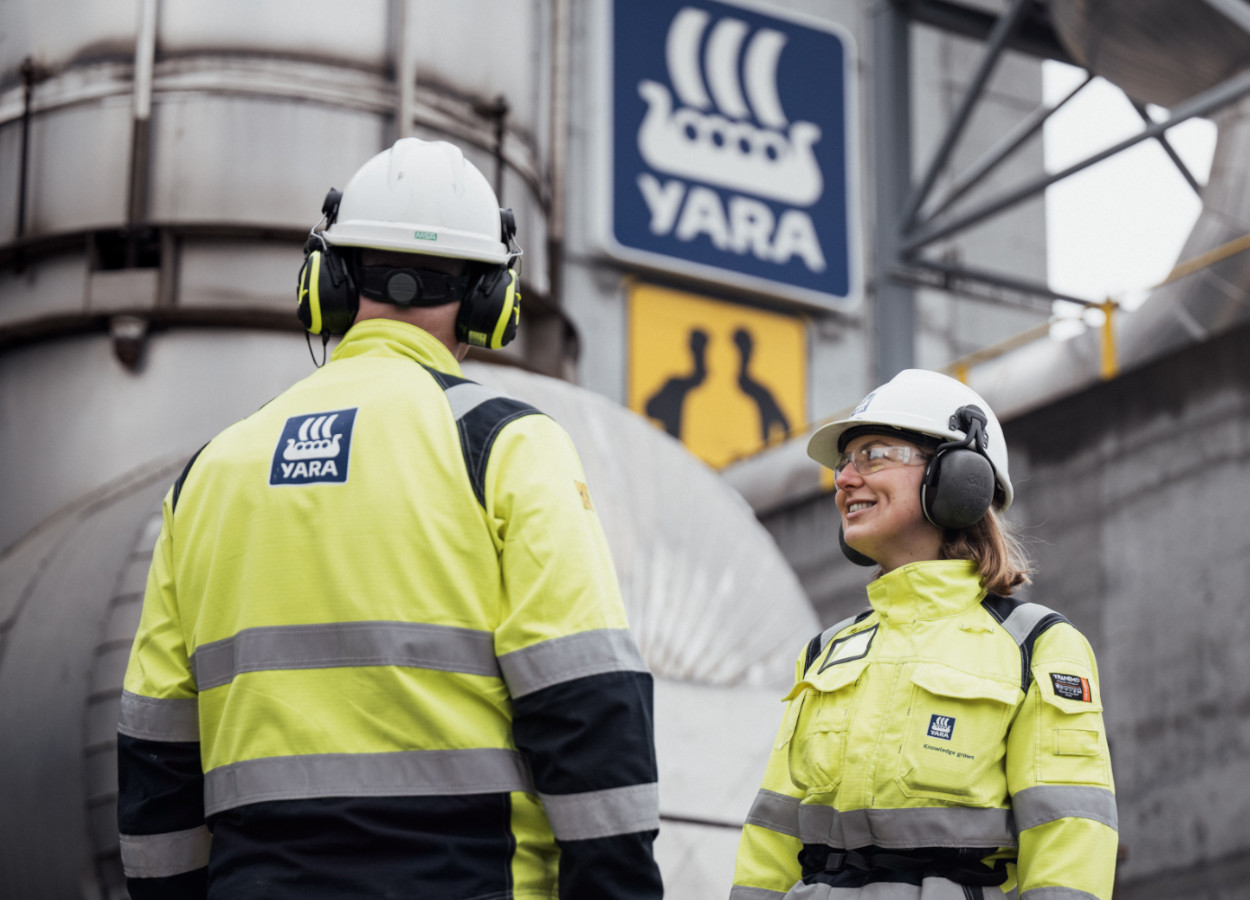
The Texas City plant is expected to reach a capacity of 1,3 million metric tons per year by the end of 2026
Yara International ASA announced an agreement to purchase the Gulf Coast Ammonia ammonia plant in Texas City, Texas. The acquisition will be made through its subsidiary Yara North America, Inc. The transaction is valued at $1,3 billion.
The unit belongs to GCA Holdings LLC, which is linked to Lotus Infrastructure Partners and MB Energy. Completion of the purchase is subject to customary closing conditions. It is also subject to regulatory approvals.
The plant is expected to expand Yara’s presence in ammonia production in the United States. The company stated that the acquisition is part of its strategy to diversify its energy exposure and make its global ammonia production base more competitive.
Nominal capacity
The plant is expected to have a nominal capacity of 1,3 million metric tons per year. The unit is currently undergoing commissioning. Yara anticipates gradual progress towards full production and stable operations by the end of 2026. The goal includes production exceeding nominal capacity.
Air Products will supply industrial gases to Yara through a long-term contract. The agreement includes hydrogen, nitrogen, and other utilities. Air Products operates the largest hydrogen pipeline network in the United States, according to Yara.
Intermediate platform
The acquisition includes the ammonia synthesis circuit, storage structures, and exclusive use of the loading infrastructure. Yara intends to use its ammonia intermediate platform to meet external customers and internal supply demands.
According to Svein Tore Holsether, president and CEO of Yara, the incorporation of the plant strengthens the company’s operational resilience and diversifies energy costs. He stated that the new capacity in the United States supports the company’s long-term strategy, with economies of scale and reductions in fixed and capital costs per ton.
Yara also reported that the structure of the operation opens opportunities for a gradual entry into low-carbon ammonia. This possibility will depend on regulatory developments and financial viability.
The purchase raises Yara’s total projected capital outlay for 2026 to $2,5 billion. The company stated that the amount remains within the projected capital for ammonia investments between 2026 and 2030. The sale process took place via auction, with financial advisory provided by JP Morgan Securities LLC to GCA Holdings LLC.
Source: Cultivar Magazine
ARGENTINE MAIN CROPS OVERVIEW:
WHEAT: To date, wheat planting has progressed to 80.9% of the 6.5 million hectares projected for the 2026/27 cycle. After a week with scant rainfall across the agricultural area, the planting pace recovered, reaching a week-on-week increase of 15.1 percentage points. Even so, some areas in the central and southern agricultural region continue to experience waterlogged soils, awaiting improved conditions during July to complete the planting of the remaining area designated for intermediate and short-cycle varieties within the optimal window. Regarding the standing wheat, the entire area is in normal to excellent condition, as 92.9% of the crop is developing under adequate to optimal moisture conditions. Regarding phenology, low temperatures are delaying the emergence of recently sown fields. Currently, 26.3% of the area is in the leaf expansion phase, while only 4%, concentrated mainly in the north and, to a lesser extent, in the central-eastern part of the agricultural area, has begun tillering.
SOYBEANS: With a week-on-week increase of 1.1 percentage points, the soybean harvest has reached 99.1% of the suitable area nationwide, with an average yield of 31.4 quintals per hectare (qq/Ha). While harvesting is practically complete, work remains to be done in the southern part of the agricultural area, where waterlogged fields have hampered access for combine harvesters. For second-crop soybeans, harvesting has progressed to 97.8% of the suitable area, with an average yield of 25.9 qq/Ha, 22% higher than the average of the last five seasons and 5% higher than the previous season. Similarly, as with first-crop soybeans, a record yield was achieved for the historical PAS series in the North La Pampa–West Buenos Aires region, with an average of 31.3 quintals per hectare (qq/Ha), 9% above the previous maximum. In this context, the national production projection remains at 50.1 million tons (MTn).
CORN: The harvest of corn for commercial grain has reached 52.9% of the suitable area nationwide, with an average yield of 81.5 qq/Ha. Harvesting is proceeding at a limited pace due to the high moisture content present in both the grain and the fields, a condition that continues to delay the harvest of the remaining fields, mainly in central and southern Buenos Aires. Following the frosts recorded in recent hours in southern Buenos Aires province, the decrease in grain moisture is expected to help accelerate the harvest in the coming weeks, provided that weather conditions allow machinery access to the fields. Under this scenario, the national production projection remains at 64 million tons (MTn), representing a 30.6% increase compared to the previous cycle (2024/25 production: 49 MTn).
SORGHUM: The grain sorghum harvest continues to progress, reaching 69% of the suitable area nationwide, with an average yield of 42.7 quintals per hectare (qq/Ha). Among the main producing regions, the North-Central region of Córdoba continues to stand out, where the average yield reaches 56.5 qq/Ha. Likewise, both the Northern Core and Southern Core regions show yields of 53.3 and 53.9 qq/Ha, respectively, in line with projections for the current season. Given this scenario, the production projection remains at 2.9 MTn.
Source: Buenos Aires Grain Exchange